
About
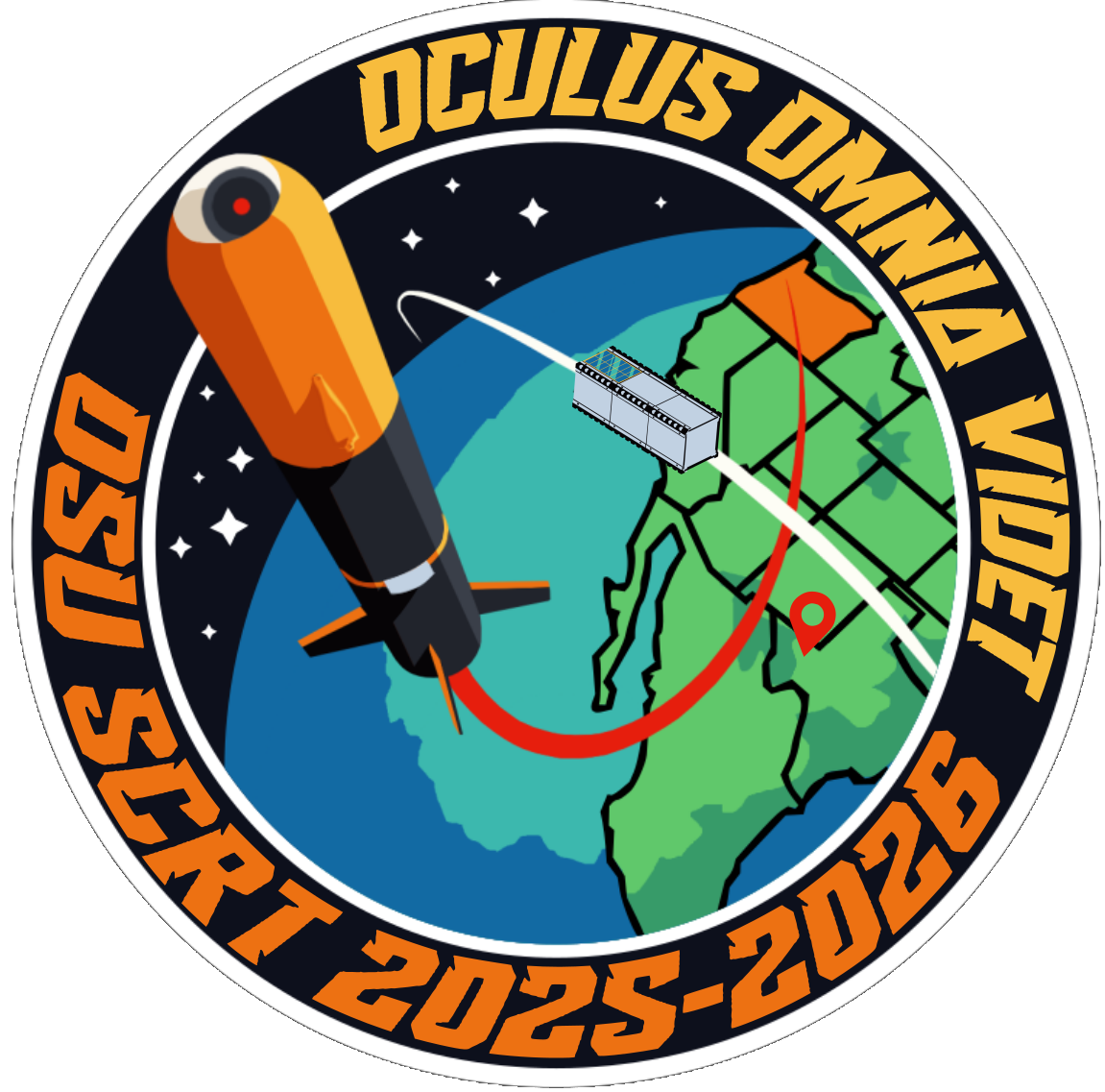
The Oregon State University Student Competition Rocket Team is a fully student-run program where undergraduates learn the full life cycle of a high-power competition rocket. SCRT designs for the International Rocket Engineering Competition, a 10,000-foot target event that draws teams from around the world, and the team carries an OSU legacy that includes a divisional win in 2017 and a modern revival beginning in 2023.
Students join subteams in propulsion, avionics, payload, recovery, structures, aerodynamics, and ground support, then move work from requirements and analysis into CAD, manufacturing, integration, test, and flight operations. The vehicle architecture centers on a student-researched SRAD solid motor with custom enclosures and nozzle design, dual-deploy recovery with in-house parachutes, and a robust avionics bay that handles power, data, deployment logic, telemetry, and live video. Payload work explores a CubeSat-style platform with power, communications, control, and imaging pipelines, while ground support adds user and pad boxes, remote arming and charging, launch control, and a GUI that visualizes live video and telemetry during operations. Across the season, structures and aero teams coordinate internal layout, fin design, and flight prediction using OpenRocket, RAS Aero, RocketPy, and CFD, and students build capability through formal safety training and high-power certification so they graduate with hands-on experience and a network that extends into industry.
ee
Propulsion
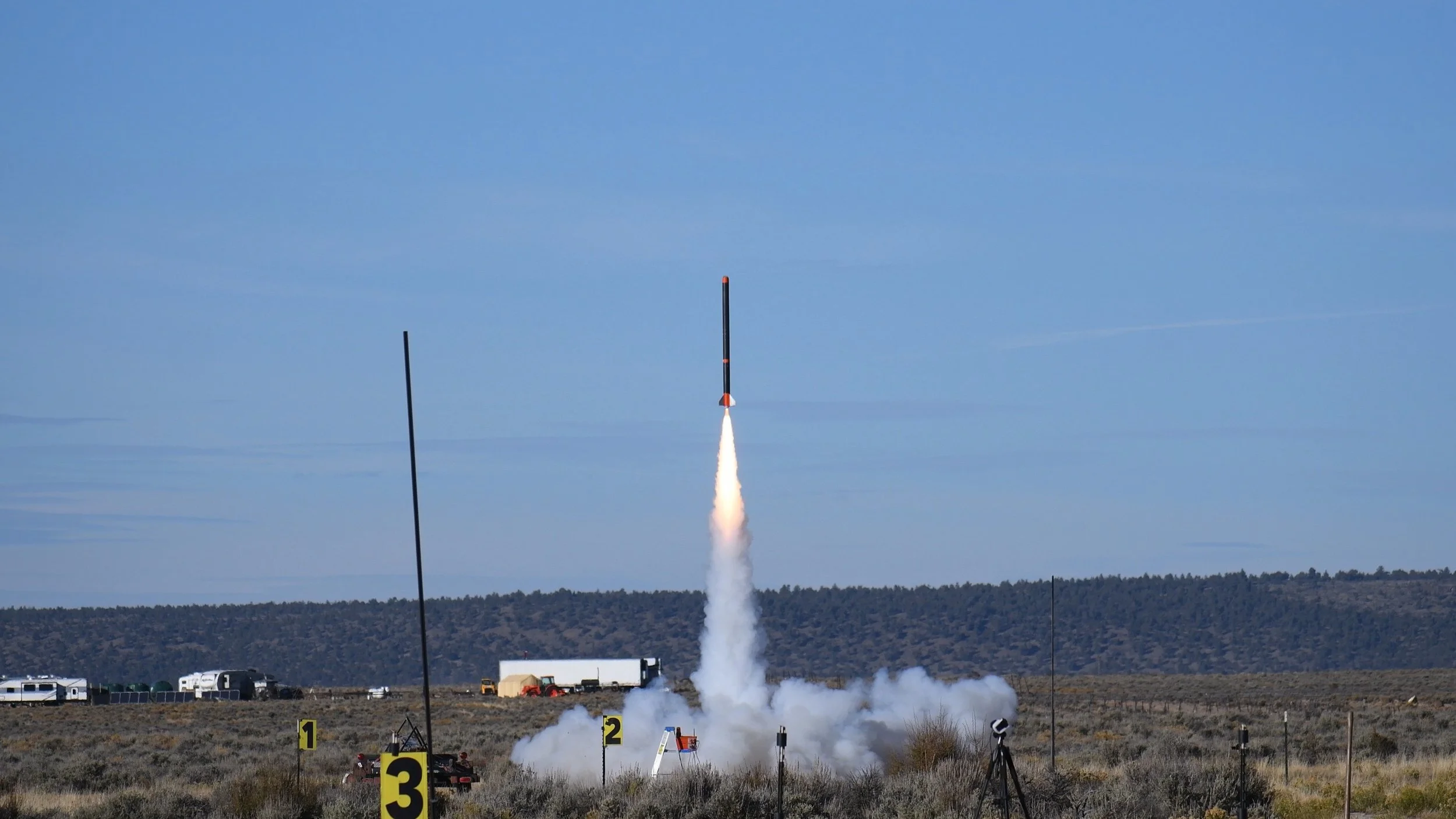
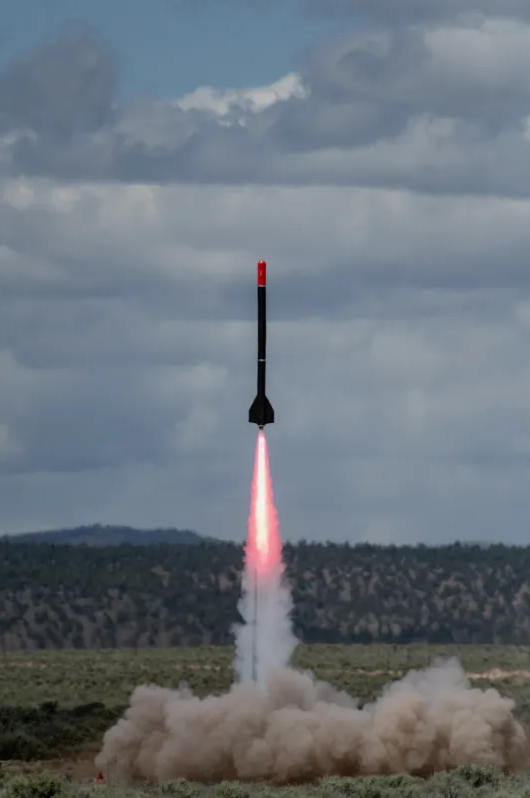
The propulsion team supports the motor system that carries the rocket to the 10,000-foot target altitude. For the 2026 IREC vehicle, SCRT is flying a COTS Aerotech N3300 motor while continuing to build the infrastructure, testing process, and technical knowledge needed for future student-researched and developed propulsion systems.
The team’s work includes motor integration, thrust transfer, retention hardware, test infrastructure, safety procedures, and long-term SRAD development. Propulsion gives students experience with mechanical design, manufacturing, static-fire testing, data analysis, safety compliance, and high-power rocket operations.
Avionics
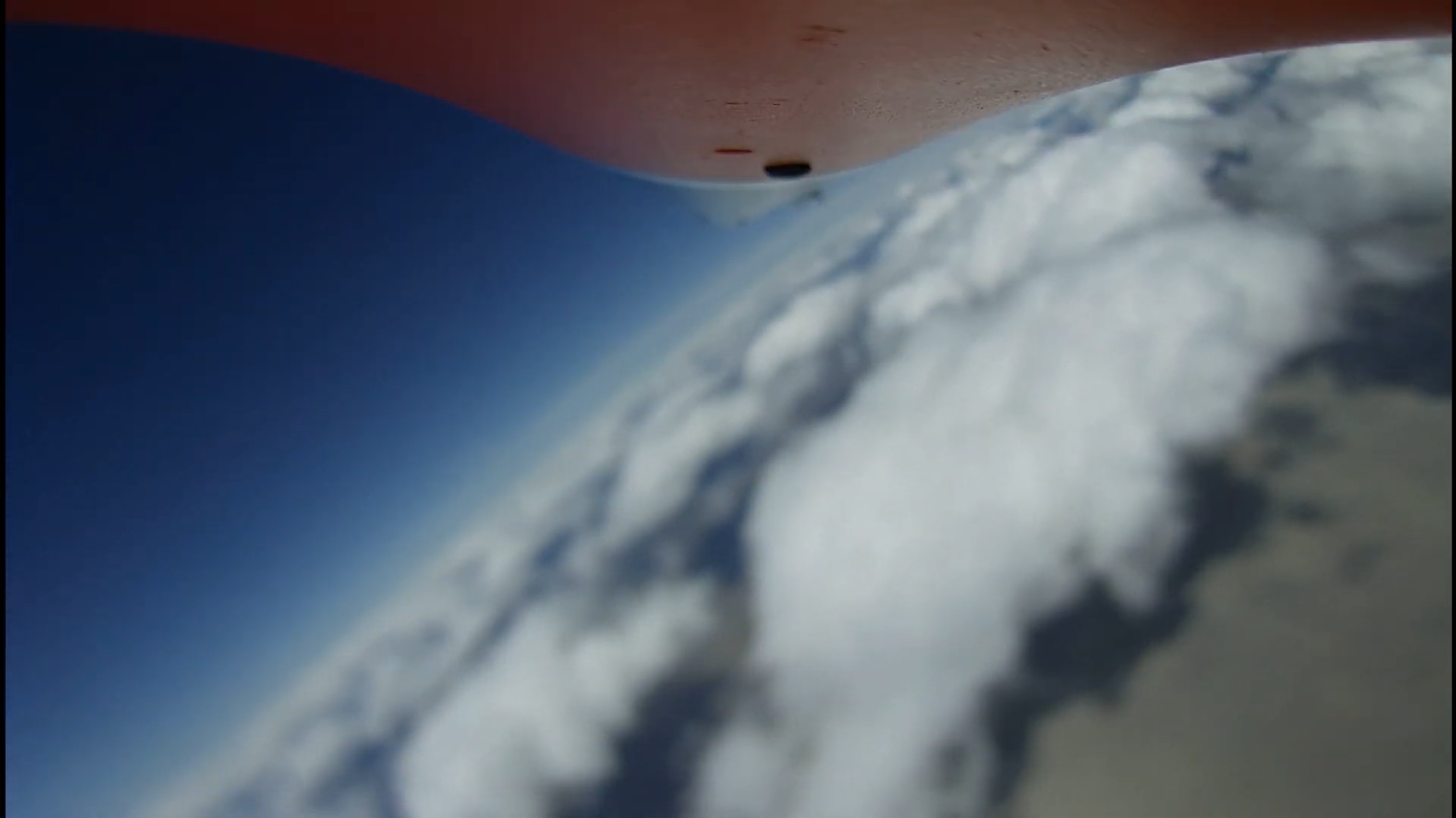
The avionics team develops the onboard electronics that support safe flight, recovery, tracking, and video transmission. For the 2026 vehicle, the avionics system is organized around three major functions: flight control and charge deployment, GPS tracking, and live video. Each system uses its own power source and pad safe interrupt approach to reduce failure overlap and make integration safer. Avionics gives students experience with flight computers, batteries, telemetry, wiring, recovery logic, and launch-day operations.
Structures
The structures team designs and manufactures the main physical architecture of the rocket. This includes the carbon fiber airframe, nosecone, bulkheads, couplers, internal mounting features, and integration hardware that allow every subsystem to fit together into one flight vehicle.
Structures works closely with propulsion, recovery, avionics, payload, and aerodynamics to make sure the rocket can withstand launch loads, support recovery hardware, hold internal systems securely, and remain serviceable during integration. This subteam gives students hands-on experience with CAD, machining, composites, fasteners, load paths, and full-vehicle assembly.
The payload team is developing a 3U CubeSat payload for the Space Dynamics Laboratory Payload Challenge. The payload is designed to perform multi-wavelength Earth imaging for climate-related observations while demonstrating a modular CubeSat platform that could support future flight experiments.
The system includes an Electrical Power System, On-Board Computer, Communications board, and imaging payload. The structure uses an aluminum frame, modular mounting panels, internal printed components, and electronics designed around power management, communication, imaging, and system health monitoring. This subteam gives students experience with small-satellite-style design, embedded systems, imaging, communications, mechanical packaging, and mission operations.
Recovery
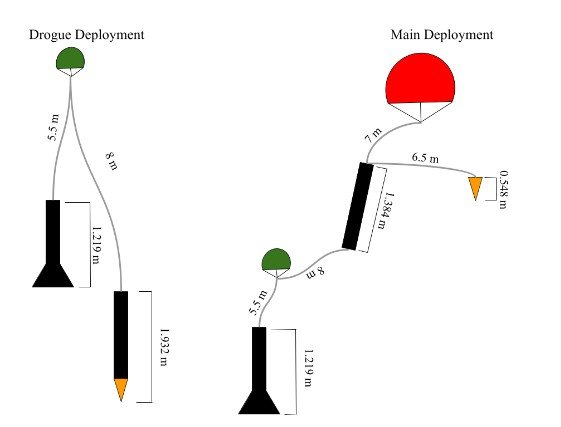
The recovery team designs the systems that bring the rocket safely back to the ground. SCRT uses a dual-deploy recovery system so the rocket can descend under controlled conditions and land within a recoverable distance from the launch site. The system includes redundant charge wells at separation points, parachutes, shock cords, attachment hardware, and careful packing procedures to reduce the risk of tangling or section collision during descent.
Aero
aerodynamics
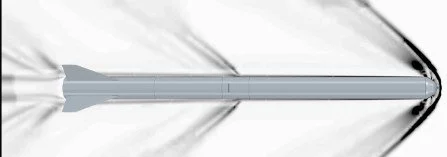
The aerodynamics team designs and analyzes the external flight surfaces of the rocket, including custom composite fins. The team uses tools such as OpenRocket, RASAero, RocketPy, and CFD to refine the vehicle’s stability, drag, and predicted flight performance.
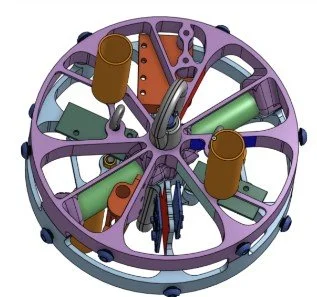
Aerodynamics also develops BEAVS, the Blade Extending Apogee Varying System. BEAVS is SCRT’s active airbraking system. It uses deployable blades to increase drag after motor burnout and help guide the rocket closer to the 10,000-foot target altitude. The system combines mechanical design, custom electronics, onboard sensors, control software, and flight simulation data. Together, the fins and BEAVS give students experience with stability, drag, CFD, composite manufacturing, controls, and precision altitude targeting.
Ground Support Equipment
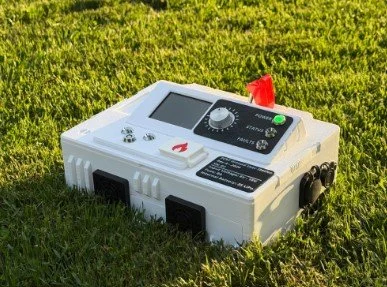
The ground support team develops the equipment used to operate the rocket safely from the ground. The system includes a user box operated by the launch team and a pad box located near the rocket. These systems support remote launch operations, onboard avionics charging, launch status feedback, and communication between ground equipment and vehicle systems.
The design focuses on safety, usability, and field repairability. Features include arming controls, launch command safeguards, an LCDinterface, audio status cues, modular electronics, cooling, and radio communication. Ground support connects the rocket, operators, launch pad, and data systems into one coordinated launch workflow.